Sump pumps are uncommon in Phoenix because most houses sit on a slab with no basement, so the pumps that do exist tend to serve a low lot, a basement or below-grade room, a pool equipment area or a commercial space. When one fails, the cause is usually power, a stuck float switch, a bad check valve or a worn motor. Call the number on this page to be connected with a local plumber in Phoenix who can find the fault and fix it.
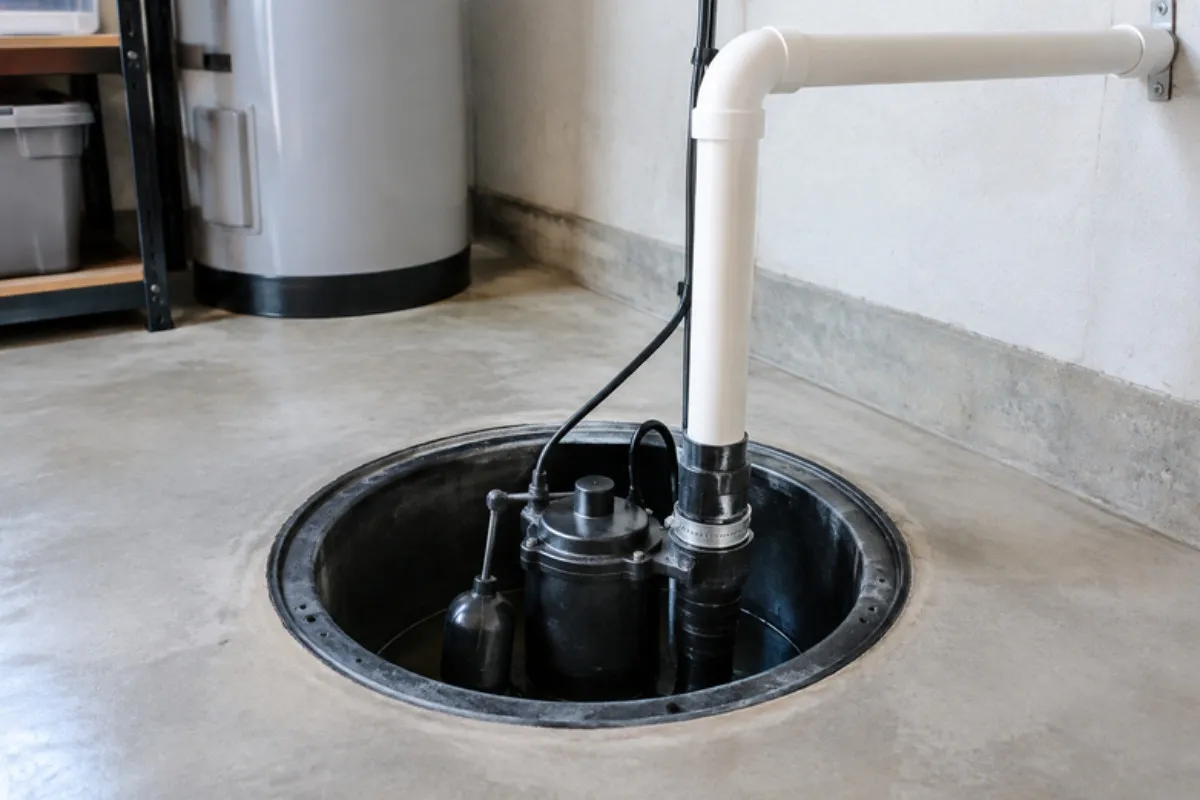
Where pumps actually show up in Phoenix
Being honest about it: most Phoenix homeowners will never own a sump pump. Slab-on-grade construction is the norm across the city, and basements are the exception. The pits that do exist are usually in one of these spots:
- Custom or older homes with a basement, cellar or below-grade room
- Lots that sit lower than the street, where monsoon runoff collects against the house
- Pool equipment pads and vaults that need to stay dry
- Below-grade bathrooms or laundry rooms that rely on an ejector pump to lift wastewater up to the sewer
- Commercial buildings with elevator pits, parking levels or mechanical rooms
Because these pumps can sit idle for months between storms, many fail quietly and nobody notices until the first heavy monsoon rain.
Common failure points
- Power: a tripped GFCI outlet or breaker is the first thing to check.
- Float or switch: debris, a tangled cord or a switch that has seized after long dry spells.
- Check valve: if it fails, water falls back into the pit and the pump cycles the same water.
- Impeller and intake: desert sand, leaves and grit carried in by storm runoff can clog them.
- Motor: heat, age and long idle periods wear out bearings and windings.
Test it before monsoon season
A simple test is to pour a bucket of water into the pit and watch the pump start, empty the pit and shut off cleanly. If it hums without moving water, runs constantly or never starts, have it checked before the summer storms rather than during one. A plumber can also clear sand from the pit, confirm the discharge line carries water away from the foundation, and talk through a battery backup if outages during storms are a concern.
Ejector pumps are a different job
An ejector pump moves sewage, not storm water, and a failure can back waste up into the room it serves. If an ejector stops working, stop using the fixtures that drain to it. If you suspect the problem is in the City sewer main rather than your own line, the City handles sewer emergencies at 602-261-8000. The line on your property up to the City main is the owner's responsibility.
What affects the cost
Cost depends on whether a switch, float or valve solves it or the pump needs replacing, whether it is a sump or a sewage ejector, how hard the pit is to reach, and whether discharge piping needs to be rerouted. Ask for the diagnosis and a written quote first.
Sump Pump Repair questions from Phoenix homeowners
Do Phoenix homes usually have sump pumps?
Why did my pump fail during the first monsoon storm?
What is the difference between a sump pump and an ejector pump?
Who do I call if the sewer main is backing up?
Related plumbing services in Phoenix
Sump Pumps in nearby cities and towns
Maricopa County
Pinal County
Sources
Last updated: