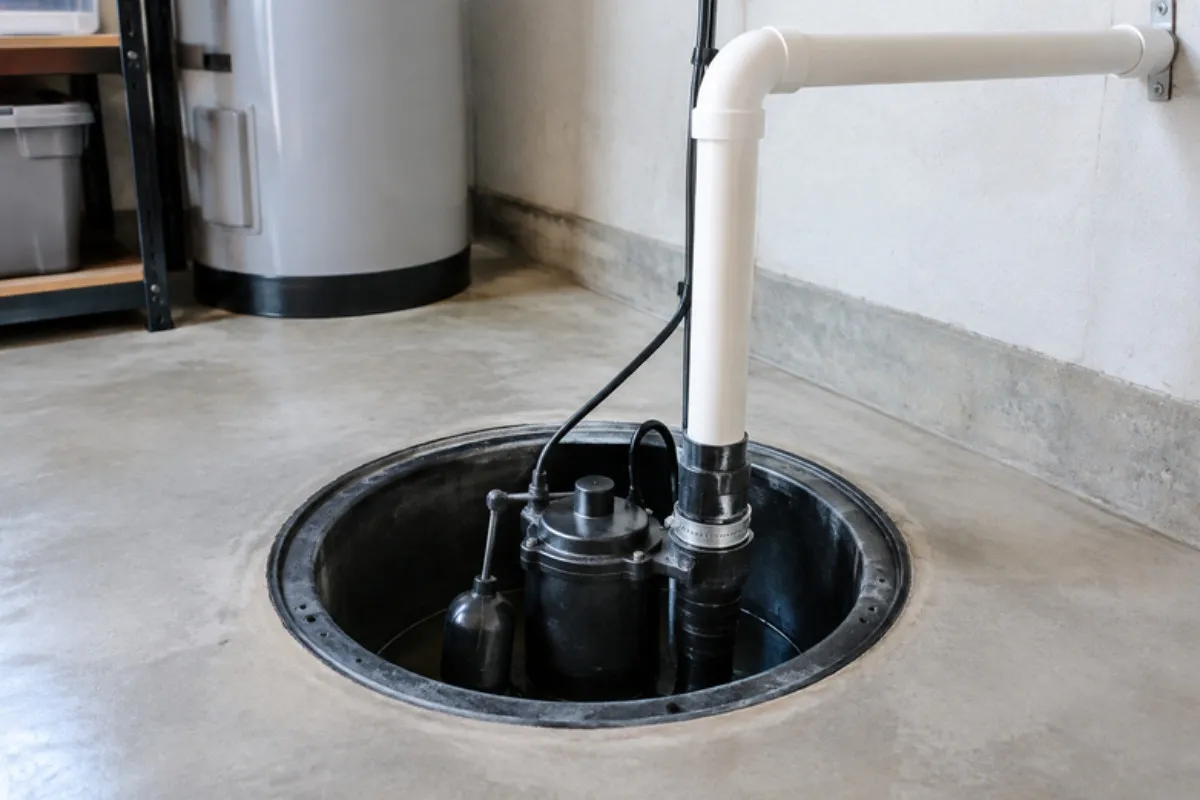
A Tempe sump pump is most likely found in a commercial or mixed-use building, a home with a below-grade room, a pool equipment pit or a low lot that floods in monsoon storms. Most failures come down to power, the float, the check valve or the motor. Call the number on this page to be connected with a local plumber in Tempe.
Why would a Tempe home have a sump pump at all?
Usually it would not. Tempe is an older inner-ring suburb with a median home built around 1983, and most of those houses sit on a slab. The pits that exist tend to be in the denser north end around Mill Avenue and Arizona State University, where larger buildings can have parking levels, elevator shafts and mechanical rooms, or in single-family homes that added a basement, a sunken room or a pool equipment vault. Low lots that take on runoff during summer storms round out the list.
Where should the water go?
Out of the building and onto ground that slopes away, not into the sewer. The City of Tempe Water Utilities Division runs water, wastewater and stormwater service, and those are separate systems for good reason. A sump hose tied into a cleanout or laundry drain sends storm water to the wastewater plant. A plumber can reroute the discharge to a safe spot on the property.
A sewage ejector is the exception: it is supposed to send wastewater into the sewer line, and its own check valve and vent keep that flow going one way. When an ejector fails, stop using the fixtures it serves until it is fixed.
Who do I call for what?
Trouble with the pump, the pit, the check valve or the discharge pipe on your property is work for a plumber. For a water emergency on the public side, Tempe Water Utilities lists a support line that is staffed at all hours, 480-350-2837. Tempe's permit guidance says separate plumbing permits are required when applicable, and that leak repairs are exempt only when they do not involve replacing or rearranging valves, pipes or fixtures, so new discharge piping or an added ejector likely needs a permit from the Development Services permit counter at City Hall.
A Tempe note
If you rent near campus and a pit in the building is overflowing, tell the property manager first. For a house you own, test the pump each spring by pouring water into the pit and watching it start, empty and stop. Pumps that sit idle through the dry months are the ones that fail when the first storm hits.
Sump Pumps questions in Tempe
What is the difference between a sump pump and a sewage ejector pump?
Do I need a permit to replace a sump or ejector pump?
Why does my pump run when it has not rained?
What should I do if the pit is overflowing right now?
More plumbing services in Tempe
Sump Pumps nearby
Helpful guides
Sources
Last updated: